
How to Tell if a Club in Medellín Is Trustworthy: 7 Checks
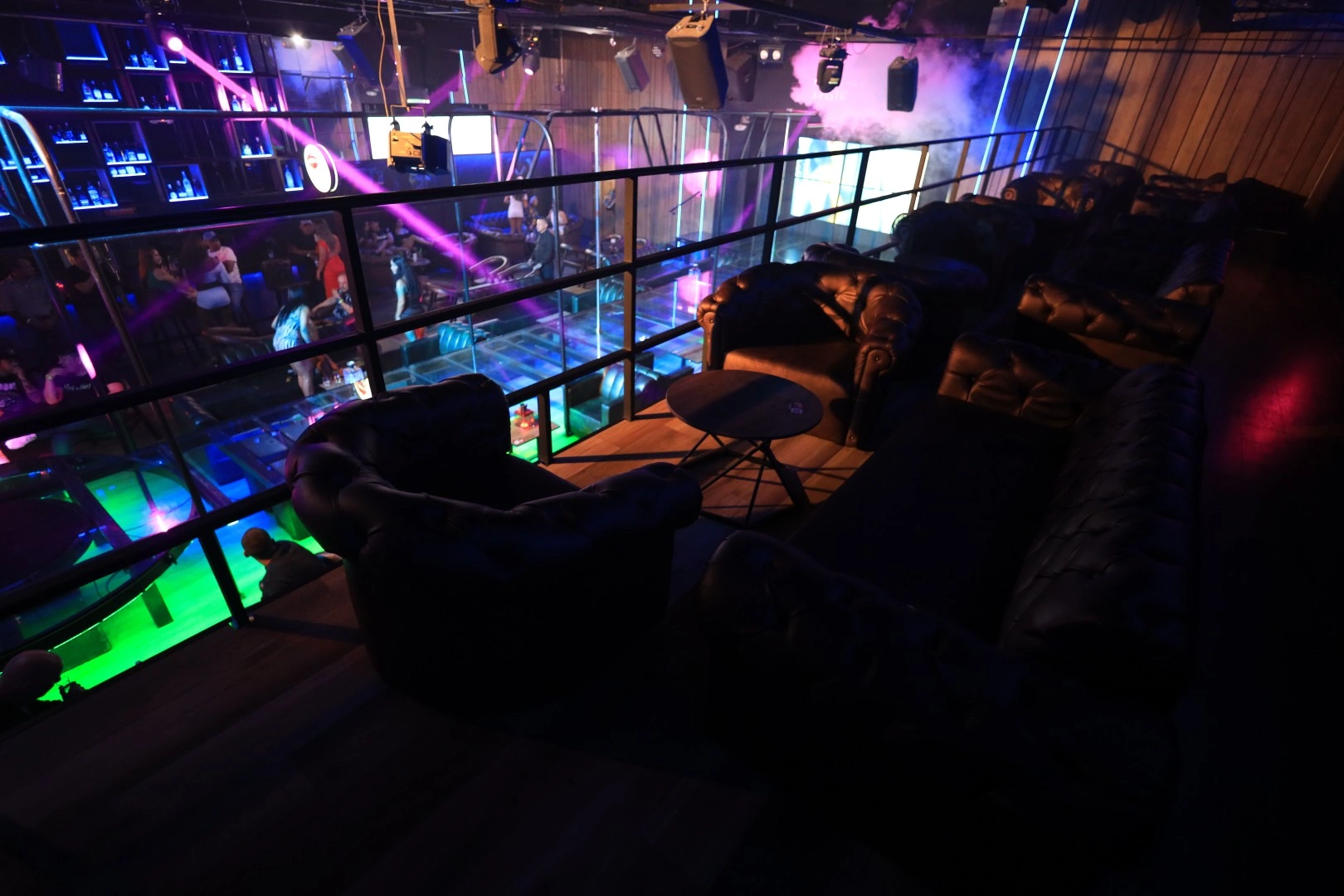
In short
You can tell whether a club in Medellín is trustworthy before you go, from your phone: recent and consistent reviews, a matching address and phone across channels, a booking system that confirms in writing, visible door control and an itemized bill. Five of the seven checks is a good sign.
There are plenty of well-run venues in Medellín — more than most visitors assume. The city's nightlife runs from bars in Provenza to specialised night clubs in El Poblado, and a good share of them operate with real procedures behind the door.
The problem was never that trustworthy venues don't exist. It is telling them apart from the improvised ones, which also fill the scene. Here are seven things you can verify before you go, most of them from your phone.
1. Recent, credible Google reviews
Start on Google Maps. Four things to look at:
- Volume. An established venue in Medellín has at least 50 to 100 reviews. Fewer than that means either a very new place — check the opening date — or one with no real traffic.
- Recency. The reviews that matter are from the last month. If the newest is six months old, the place may have closed, changed hands or be on the way down.
- Rating. Between 4.0 and 4.6 is the normal range for an honest venue. A 4.9 on a handful of reviews usually means bought reviews. Below 3.5 with repeated complaints about odd charges or bad treatment is a clear skip.
- Patterns in complaints. If three separate reviews mention "they charged me more than I ordered", that is not bad luck, it is how the place operates.
Foursquare, Wanderlog and TripAdvisor are worth a look too, especially for reviews left by other foreign visitors.
2. Consistent information across its own channels
A venue worth trusting keeps the same address, phone, opening hours and booking policy across its website, its Google Business Profile and its social media. Inconsistencies are the tell:
- A different address on the website, Facebook and Google — nobody is minding the admin.
- A phone that doesn't answer or a WhatsApp that bounces. If they don't reply under normal conditions, they won't reply when there is a problem.
- Contradictory opening hours between sources.
- Vague superlatives — "the best experience", "spectacular shows" — with no concrete detail.
A serious venue describes what it actually offers: the types of table, the door policy, real hours, what it does for groups. If the information is evasive, the operation usually is too.
3. A booking system that confirms in writing
Well-run venues here work with structured bookings, not improvisation on arrival. If you ask for a table for six on a Saturday and the answer is "turn up and we'll see", the place has no real control over its capacity — and by extension no control over who is inside or what the room turns into.
A real booking system gives you written confirmation by email or WhatsApp, records who booked, and has a stated policy on late arrival and cancellation. For a bachelor party or a private event this is not a formality: twelve people do not get seated "whenever they arrive" unless somebody planned for it.
4. Real control at the door
This one you confirm on arrival, and it is among the most telling.
Signs of real control:
- Identifiable door staff — uniform, badge, or a shirt with the venue's logo.
- ID checked to verify you are 18 or over.
- Some entry record: a wristband, a stamp, a logged cover charge.
- Being told the basic house rules before you go in.
Signs there is none:
- A completely open door with nobody on it.
- No age verification at all.
- Street promoters offering to "sort out" your entry outside the official system.
- No cover charge on nights that should have one, which points to informal operation.
5. How the bill is handled
Invented charges are the most commonly reported problem at badly run venues here. What you should be able to do anywhere worth being:
- Ask for an itemised bill, with every item listed, not a single total.
- See prices before ordering — a visible menu, or one on request.
- Pay by card with no hidden surcharge. Any card fee has to be stated up front, not appear at the moment of payment.
- Get a receipt.
If you ask for an itemised bill and receive one lump sum, or the card machine is suddenly "not working tonight", ask to speak to the manager. If there is no manager available at that hour, that is your answer.
One more thing worth knowing: the 10% service tip is voluntary in Colombia and the venue must ask before adding it. If it shows up on your bill and nobody asked, you can have it removed.
6. Staff who clearly have procedures
You can read this from how the staff handle the routine. A bartender who never takes their eyes off the drinks while pouring. A server who asks your name. A host who seats groups at assigned tables and logs each arrival. That is a trained team rather than an improvised one.
The procedures you can't see but that matter more:
- A defined response when a guest shows signs of induced intoxication: somewhere safe, water, contact someone in their group, a clinic if needed.
- Staff able to spot and stop someone being walked out of the venue while barely conscious. This is the critical one against spiking.
- Active help ordering a car at the end of the night.
- A process for theft inside the venue: check the cameras, record it formally, report it.
You won't verify all of that on a normal night. But you can ask when you book — "if something happens to someone in my group, what's the procedure?" is a fair question, and the quality of the answer tells you most of what you need.
7. A track record in the specific thing you want
Every venue aims at a particular crowd. A night club that hosts bachelor parties works differently from a student dance floor. So check that the place has a reputation in the kind of night you are actually planning:
- For bachelor parties, look for venues that show up in specialised write-ups year after year. Longevity there means the market has validated them.
- For adult night clubs, check Foursquare, Wanderlog and the relevant TripAdvisor categories. Consistent presence across two or three platforms points to a serious operation.
- For private events, ask for references from previous clients. A venue with real experience can produce them without a fuss.
Where we stand on this
We would rather you apply these seven checks to us than take our word for anything.
Club Fase II has been operating in El Poblado for more than twenty years at the same address. Access is controlled and ID verified at the door. Every drink is served at the bar and handed over by the bartender, which closes the most common spiking route. Bills are itemised and prices are visible before you order. Groups get a dedicated host. Our Google rating is 4.1 across 288 reviews — inside the honest range, and we would be suspicious of anyone claiming 4.9.
If you want the other half of this — what you can do on the night, rather than how to judge the venue — that is in our guide on going out safely in Medellín.
Frequently asked questions
Almost all of it is checkable from your phone. Look for recent Google reviews from the last month, a rating between 4.0 and 4.6, consistent address and hours across the website, Google and social media, and a booking system that confirms in writing. On arrival, look for identifiable door staff who check ID. A venue that fails several of those is telling you something.
Between 4.0 and 4.6 is the normal range for an honest venue. A 4.9 with very few reviews usually means bought reviews. Below 3.5 with repeated complaints about strange charges or bad treatment is a clear signal to skip it. What matters more than the number is whether the recent reviews are real and whether the venue replies to them.
Because it means the venue actually controls its capacity. If you ask for a table for six on a Saturday and the answer is "just turn up and we will see", the place has no real control over how many people are inside or who they are. A serious booking gives you written confirmation, an assigned table and a name to ask for.
Ask for it itemised, with every item listed separately rather than one lump sum. See prices before ordering. Pay by card without surprise surcharges. If you ask for an itemised bill and get a single total, or the card machine is suddenly "not working tonight", ask for the manager. If there is no manager available at that hour, you already know what kind of place it is.
Yes, and the quality of the answer is itself the test. Asking "if something happens to someone in my group, what is your procedure?" when you book is a legitimate question. A venue with real protocols answers specifically. One without them answers vaguely or is annoyed you asked.