
Going Out Safely in Medellín: The 2026 Visitor Guide
In short
Medellín is safe for visitors who take four specific precautions: tell someone your plan, never leave your drink unattended, use ride-hailing apps instead of street taxis, and pick venues with real door control and an itemized bill. The main risk here is drink spiking, not street crime.
Medellín's nightlife is safe for visitors, and the evidence is simply volume: every weekend thousands of people fill the bars, clubs and night clubs of El Poblado, Provenza and Laureles without anything going wrong. The city is not the one from the documentaries.
That said, the risks that do exist here are specific, and they are not the ones most visitors worry about. Knowing exactly what they are is worth more than general caution. We have been opening the same door in El Poblado for more than twenty years, and this guide is what we tell people who ask.
What the actual risks are
Three situations account for nearly everything that goes wrong in Medellín nightlife:
- Drink spiking, usually with scopolamine — burundanga — or benzodiazepines.
- Opportunistic robbery in tourist zones in the small hours, often after leaving a venue alone.
- Inflated or invented bills at informal venues that never show you a price list.
Street violence against tourists at night is not the common case. Being drugged and then robbed while incapacitated is. That reframing matters, because the precautions are completely different.
Before you leave
Most of a safe night is decided before you walk out of the hotel.
Tell someone your plan. Where you are going, who with, roughly when you expect to be back. If you are going out alone, share your live location on WhatsApp. It costs nothing and it is the difference between someone knowing where to start looking and nobody knowing anything.
Take only what you need. One card, ideally not the one holding your savings, and leave the rest at your accommodation. This caps the damage of anything that goes wrong at a level you can absorb. The local expression is no dar papaya — literally "don't hand over the papaya", meaning don't hand someone an easy opportunity.
Charge your phone and install the apps. Uber, DiDi and InDriver all operate in Medellín. Install all three with a payment method configured on at least two, because availability and pricing swing at peak hours. Carry a power bank if it will be a long night.
Look the venue up first. Check the exact address on Google Maps, where the entrance is, whether the street is lit and whether ride-hailing covers it well. Read the reviews from the last month. A serious venue has recent reviews, verified photos and current opening hours. The absence of any recent trace is itself the signal.
Carry photo ID. Venues serving alcohol are legally required to verify you are 18 or over, and the serious ones check without exception regardless of how old you look. A passport or a driving licence works.
Drink spiking: the one that matters most
Scopolamine has no recognisable taste or smell once it is mixed into alcohol. Its effects are loss of will, complete compliance and no memory afterwards. That combination is why it is used: the victim often walks to the ATM themselves.
It almost always arrives one of three ways.
- A drink bought for you by someone friendly you met that same night, at the bar.
- An invitation to a second location after leaving — an apartment, a private after-party, somewhere they insist is better.
- A drink you left unattended for a minute while you went to the bathroom.
The defence for all three is the same, and it is not complicated:
- Never leave your drink unattended. If you have to step away, take it, finish it, or leave it with someone you actually know. If you come back to a drink that was sitting alone, buy another one — the cost is trivial next to the alternative.
- Order at the bar and watch it poured, or order bottle service so the bottle stays at your table.
- Don't accept drinks, sweets, chewing gum or vapes from strangers. If you want to buy someone a drink, do it at the bar and ask the bartender to hand the glasses over directly.
- Treat dating-app meetings with extra care: public place, tell someone where you are, no private addresses on a first meeting.
If you feel wrong, say so immediately. Disproportionate dizziness after one or two drinks, blurred vision, an unusually dry mouth, sudden drowsiness or a sense of unreality — tell whoever you are with, or tell the staff. Ask for water, sit somewhere lit and visible. A venue that takes this seriously has a protocol: move you somewhere safe, find someone in your group, and never let you leave alone. If it gets worse within fifteen minutes, call 123.
Getting home
Transport is the second pinch point, and it is where a good night most often turns bad.
Use the apps. Uber, DiDi and InDriver all work well here. Before you get in, check that the plate, the colour of the car and the driver's name match the app exactly. If any of the three is off, don't get in. That single check is the most valuable habit on this page.
Be careful with street taxis at night. Yellow taxis are a normal service by day. In the small hours, and particularly parked outside clubs in tourist zones, some drivers run inflated fares, avoid the meter, or are tied to informal operations. If you need a taxi specifically, order it through an app or an established radio-taxi company rather than flagging one down at the door.
If you have had too much to drink, hand the decision to someone else. Ask a friend to order the car. If you are alone, tell the door staff or the bartender — at a venue worth being in, that is a normal request and they will handle it. We order the car, check the driver against the app before you leave, and call someone from your group if that is what is needed.
If you are out in a group
Bachelor parties, groups of visiting friends and anyone visibly foreign are the most exposed to overcharging, because they are carrying more money and don't know the local norms.
- Keep one person sober. Their job is the transport, the bill and making sure everyone actually gets into a car at the end.
- Book ahead somewhere that confirms the booking. A venue with a real reservation system assigns you a host and logs your arrival, which on its own deters invented charges.
- Arrive and leave together. Eight people ordering cars one at a time at 3 a.m. on the street is the exposure. Order two or three at once, from the door.
- Ask the hotel. Many hotels in Medellín have trusted drivers with a fixed round-trip rate to nightlife venues.
If you are planning a bachelor party, the reservation is the safety measure as much as the convenience.
Reading the bill
This is the mundane risk and the most common one. Three habits cover it:
- Ask for the menu with prices before ordering.
- Ask at the door whether the cover charge applies toward your tab. Some venues do it, some don't, and nobody volunteers the answer.
- Ask for an itemised bill before paying.
On tipping: the 10% service charge is voluntary in Colombia and the venue must ask before adding it. At table service it is customary to leave it. If it appears on your bill and nobody asked you, have it removed. That is the law, and how a venue handles that question tells you most of what you need to know about it.
What we do about it
Half of a safe night is your decisions. The other half is the venue.
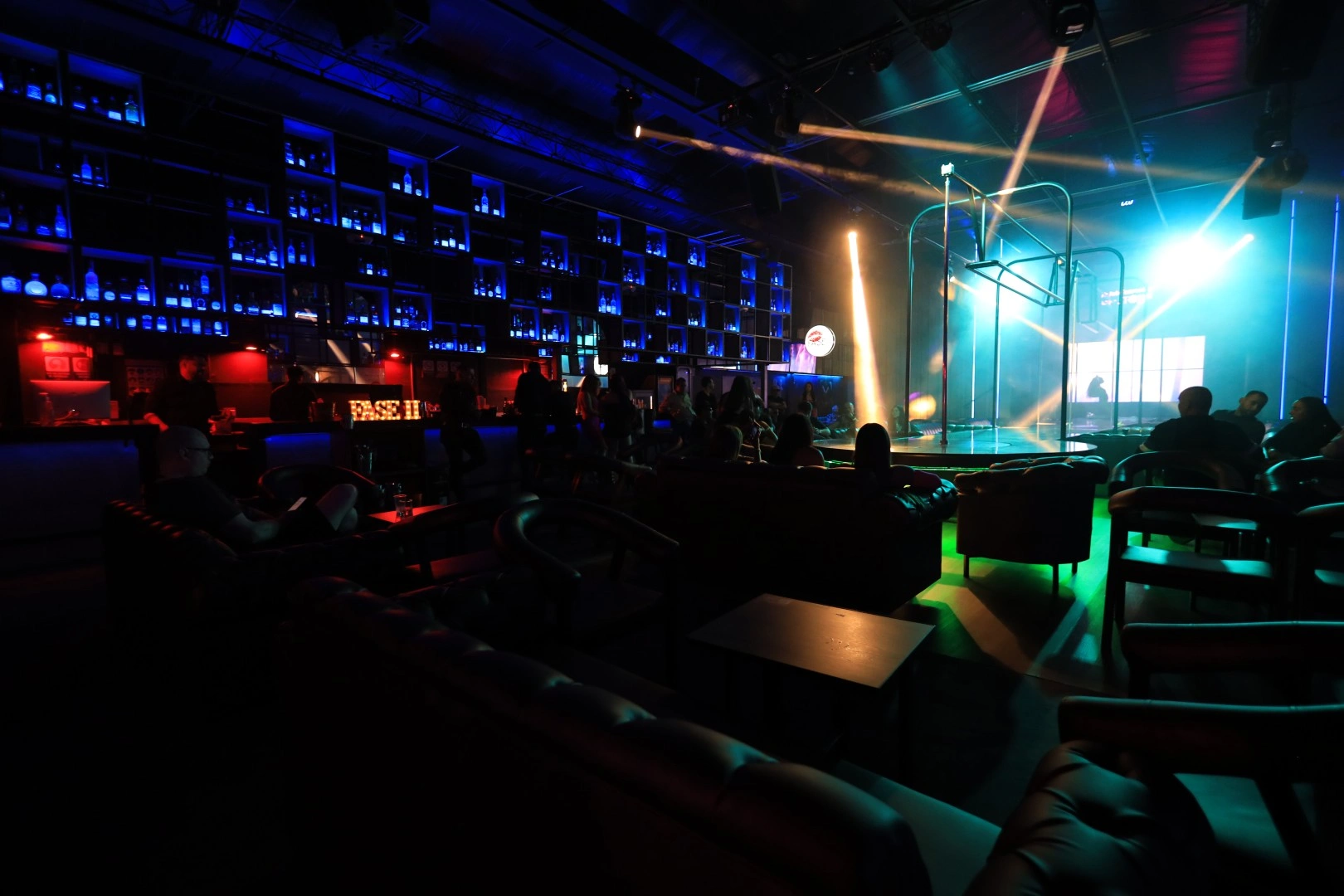
At Club Fase II every drink is served at the bar and handed over by the bartender — no exceptions, because that single rule removes the most common spiking route. Our floor staff are trained to recognise the signs of induced intoxication and to move an affected guest somewhere safe rather than out the door. Access is controlled, age is verified at the entrance, bills are itemised and prices are visible before you order. For groups we assign a dedicated host who stays with you all evening.
None of that is a claim you have to take on faith. You can check the reviews, ask about the protocol when you book, and see the operation for yourself when you arrive.
For the criteria to judge any venue in the city before you set foot in it, read our guide on how to tell if a club in Medellín is trustworthy.
Frequently asked questions
Yes. Tens of thousands of visitors go out in Medellín every month without incident. The risks specific to nightlife here are narrow and avoidable: drink spiking, opportunistic robbery in tourist zones in the small hours, and inflated bills at informal venues. Choose established venues, use ride-hailing apps and never leave your drink unattended, and you have covered most of it.
Burundanga is the local name for scopolamine, a drug that leaves the victim compliant and with no memory of what happened. It has no recognisable taste or smell once mixed into alcohol. The defence is simple: never leave your drink unattended, never accept a drink, sweet, chewing gum or vape from someone you just met, and if you want to buy someone a drink, do it at the bar and let the bartender hand the glasses over.
Ride-hailing apps: Uber, DiDi and InDriver all operate widely in the city. Install all three with a payment method set up, because availability varies at peak hours. Before you get in, check that the plate, the car colour and the driver name match what the app shows. Avoid flagging down yellow taxis parked outside clubs in the small hours.
Only what you need. One card, ideally not your main one, and leave the rest at your accommodation. A fully charged phone with the ride-hailing apps installed, and photo ID, which venues are legally required to check. Share your live location with someone. The local phrase is no dar papaya: do not hand anyone the opportunity.
Yes, in established venues and with the same precautions anyone should take: arrive and leave by ride-hailing app directly at the door, never accept a drink from a stranger, keep your phone charged and share your location with a contact. Plenty of local women and visitors go out alone here routinely. Choose venues with well-lit spaces and trained staff who will step in if you are made uncomfortable.
123, for any emergency nationwide. If you are robbed, hand over what is asked for without resisting, then get to somewhere lit and busy and call. If documents or cards were taken you will need to file a report to replace a passport or bank card.